

Capybaras present unique considerations when evaluated as potential indoor companions, particularly regarding their training outcomes. These fascinating small mammals are social creatures that thrive when in the company of others, which can affect their adaptability in a domestic environment.
While capybaras have a natural tendency to designate specific areas for elimination, typically near water, their instinct to return to familiar locations can complicate the process of house training.
Recognizing their behavior patterns is important for effective management of pet behavior in a home setting.
When examining the domestication of capybaras, it becomes clear that their unique behavior as social small mammals can make them suitable candidates for house training and integration into family life as pets.
Can Capybaras Adapt To House Training
These remarkable creatures possess a natural inclination to adapt within a home environment, particularly when it comes to managing their bathroom habits. Capybaras, known for their social animals nature, often designate specific areas for their bathroom activities, simplifying the process for their owners to establish hygiene practices.
Unlike many traditional rodent care scenarios, these animals can respond positively to training through engaging interactions with humans and other pets.
A consistent routine involving regular feeding and bathroom breaks plays a significant role in enhancing their overall obedience.
Utilizing a litter box designed for capybaras can lead to effective training experiences, supporting their natural instincts. Transitioning to the next topic, exploring capybara pet behavior reveals insights into their care requirements, social dynamics as companion animals, and their unique tendencies regarding obedience, hygiene, and litter box training.
Understanding Capybara Pet Behavior
Individual species characteristics play a significant role in shaping the behaviors of these intriguing mammals. Capybaras exhibit complex social dynamics that greatly influence their actions and interactions.
They thrive in groups, reflecting their instinctsual need for interaction and companionship.
Pet owners should pay attention to various vocalizations, such as barks or whistles, which serve as cues for expressing their emotions.
For example, when a capybara feels content, it may emit a series of soft whistles. Conversely, signs of stress often arise when they are isolated from their companions.
Recognizing these behaviors enhances a pet owner’s ability to create a suitable habitat, one that encourages social interaction and minimizes solitude. Providing enrichment through toys or activities is particularly beneficial for pet owners who understand their animals’ instincts and can utilize effective training techniques, cues, and positive reinforcement to create a stimulating habitat.
Capybaras
- Capybaras are highly social animals that live in groups, which is essential for their well-being.
- They communicate through various vocalizations, including barks and whistles, to express different emotions.
- Isolation can lead to stress in capybaras, highlighting the importance of companionship.
- Providing enrichment activities and toys helps stimulate capybaras and supports their natural instincts.
Effective Training Techniques For Capybaras

Effective interaction with capybaras hinges on a deep comprehension of their behavioral traits and social structure. Positive reinforcement emerges as a highly effective technique; it involves rewarding these social rodents with treats or affection for exhibiting desired behaviors, fostering their learning through enjoyable experiences.
This approach capitalizes on their natural tendency for bonding with humans.
Establishing a consistent routine is another method that can significantly enhance training.
A timetable reflecting their adaptability to daily patterns aids in effective learning. Capybaras flourish in pet-friendly homes where their exercise needs are regularly met, contributing to both physical health and successful training initiatives. The importance of grooming also plays a role in enhancing the bond between the capybara and its owner, as it fosters trust and comfort within pet-friendly homes that adapt to their exercise needs and living arrangements.
What Are The Challenges Of Obedience
Training capybaras involves navigating various hurdles linked to their specific species characteristics. Due to their strong socialization needs, these herbivorous animals thrive in groups, which can complicate individual training sessions.
Temperament differences among capybaras can lead to inconsistent training results, as some may be more receptive to learning than others.
Environmental factors also play a significant role; for instance, a lack of proper socialization can impede their ability to grasp commands.
Creating an enriching environment is necessary, enhancing their comfort and willingness to engage during training. Exposure to unfamiliar settings can induce stress, further complicating training efforts. Transitioning to the next aspect, ensuring a secure environment is equally important for the well-being of the species, taking into account their enrichment needs, characteristics, temperament, socialization, veterinary care, and dietary requirements.
Training Capybaras
- Capybaras are highly social animals and thrive in groups, making individual training more challenging.
- Temperament varies among capybaras, affecting their receptiveness to training and learning.
- A stimulating environment is crucial for capybaras to feel comfortable and engaged during training sessions.
- Unfamiliar environments can cause stress in capybaras, hindering their ability to learn commands effectively.
Creating A Safe Environment For Capybaras
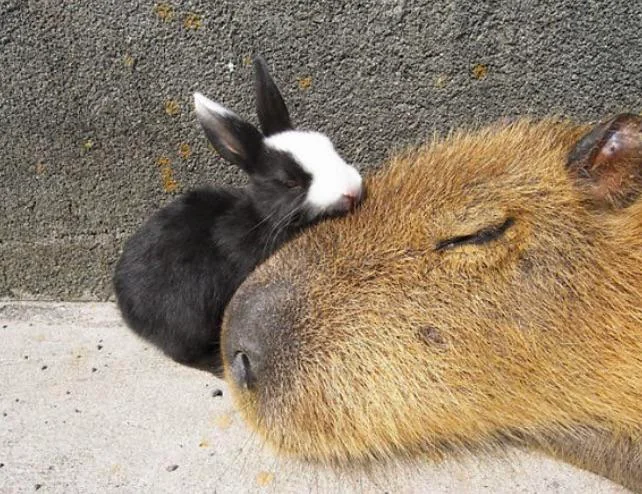
Creating a space where capybaras can thrive positively influences their overall welfare. These semi-aquatic creatures flourish in settings that closely resemble their natural wetlands and savannas.
An appropriate enclosure setup should ensure sufficient room for movement and grazing, with a recommended minimum of 100 square feet allocated for each capybara.
Noise level management is also significant; loud environments can elevate stress levels in these sensitive mammals.
Continuous monitoring of their social interactions is vital, as capybaras are inherently social animals that depend on companionship for emotional well-being. Incorporating suitable water supplies for swimming and cooling off contributes greatly to their health and happiness, enhancing their quality of life
Essential Supplies For Capybara Care
Caring for these unique rodents requires a thoughtful approach that encompasses their various needs. Housing Requirements include spacious enclosures, with a recommended minimum of 100 square feet allocated per animal, which fosters movement and reduces stress.
A shallow pool is also important, allowing for hydration and playtime, as capybaras naturally enjoy swimming.
Dietary Needs emphasize a high-fiber diet, largely made up of fresh grasses and hay, while vegetables and fruits are best offered in moderation to maintain a balanced intake.
Grooming Tools serve a significant role; brushes help maintain the health of their fur, and nail clippers prevent overgrowth, promoting comfort and minimizing any behavioral issues.
Social considerations for pets involve assessing their playtime, companionship needs, training supplies, yard space, safe environment, and potential behavioral issues.
Capybara Care
- Capybaras require a minimum enclosure size of 100 square feet per animal to ensure adequate space for movement.
- A shallow pool is essential for capybaras, as they enjoy swimming and it helps with hydration.
- High-fiber diets consisting primarily of fresh grasses and hay are crucial for their health, with fruits and vegetables given sparingly.
- Regular grooming with brushes and nail clippers is important to maintain their fur health and prevent behavioral issues.
Conclusion
Effective capybara care necessitates a comprehensive approach to meet their distinct requirements. These animals flourish when their routines are consistent, allowing them to feel secure in their environment.
Sufficient social interaction plays a pivotal role in stress management, as it mitigates anxiety and fosters a positive atmosphere.
While capybaras can adapt to indoor living, owners must exhibit patience and consistency in their training techniques and daily care practices.
Misunderstandings surrounding their behavior can lead to various complications, so potential owners should invest time in researching their dietary needs and housing specifications. Success in caring for capybaras ultimately relies on a commitment to providing the necessary attention span and understanding their unique behaviors