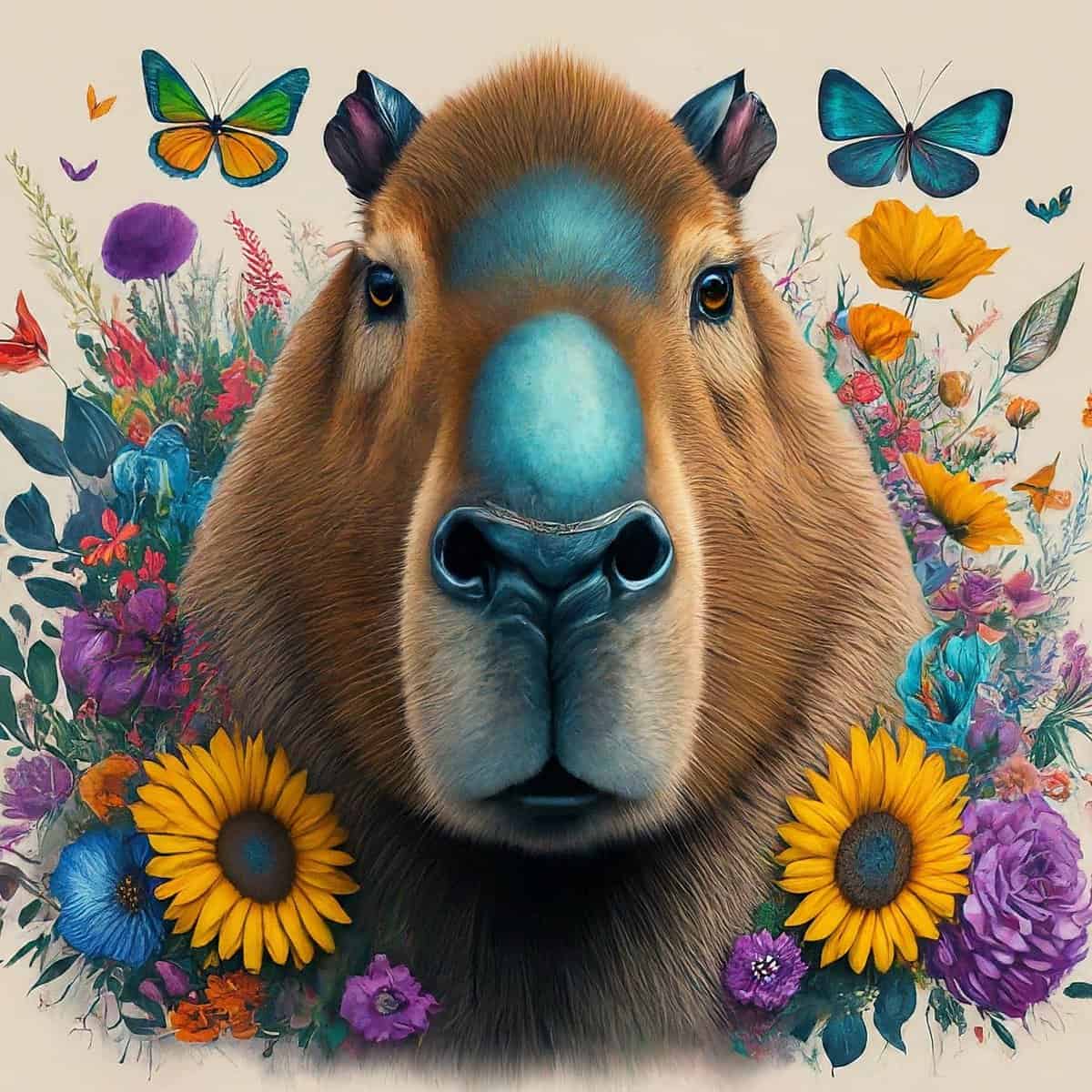

The transformation of capybara fur throughout the year showcases their impressive adaptability to environmental changes. During the colder months, these animals develop a thicker undercoat, which plays a significant role in providing insulation against plummeting temperatures.
As spring transitions into summer, the shedding process begins, and they lose this dense layer, resulting in a lighter fur texture that enables better heat regulation.
This ability to adjust their fur not only supports comfort but also enhances their chances of survival in diverse climates. The seasonal changes in their coat are closely tied to the molting process, influencing fur texture and shedding patterns, and showcasing their adaptability to varying climates.
Molt Process And Fur Stages
The fur transformation observed in capybaras is a fascinating natural phenomenon that plays a significant role in their adaptation to varying climatic conditions. During the initial phase of the process, the old pelage begins to shed, creating space for new growth.
This shedding allows for the introduction of a fresh coat, which is important for maintaining comfort throughout the seasonal shifts.
Following this is the transitional phase, where a coarser, intermediate fur develops, presenting a range of textures that may differ from the previous coat.
Ultimately, the final stage showcases the emergence of a new winter coat, which offers robust insulation against colder temperatures. This change not only aids in temperature regulation but also emphasizes the capybara’s extraordinary capability to thrive in diverse habitats, setting the stage for its adaptive pelage, which includes a winter coat for insulation and a summer coat for cooling, enhanced by regular grooming.
How Shedding Affects Capybaras

The process of shedding is integral for capybaras, significantly contributing to their overall skin health. This natural occurrence facilitates the elimination of dead skin cells, which is important for mitigating the risk of skin infections.
As these animals undergo this process, subtle changes in fur color can be observed, illustrating seasonal variation that aligns with their environment.
Such wildlife adaptations enhance their ability to blend into diverse habitats, providing effective camouflage against potential predators.
A fascinating aspect of capybara fur is its unique structure; it enables rapid drying, which is particularly advantageous for their aquatic lifestyle. Overall, shedding not only maintains hygiene but also supports biodiversity within their ecosystems
Capybara Shedding
- Shedding helps eliminate dead skin cells, reducing the risk of skin infections.
- Seasonal variations in fur color help capybaras blend into their environments for better camouflage.
- The unique structure of capybara fur allows for rapid drying, beneficial for their aquatic lifestyle.
- Maintaining hygiene through shedding supports overall biodiversity in their ecosystems.
Seasonal Changes In Fur Texture
The adaptation of fur texture in capybaras is a fascinating aspect of their biology, driven by seasonal changes. These changes are significantly influenced by environmental factors that dictate coat density.
During the winter months, capybaras grow a thicker, coarser coat, which provides necessary insulation against the cold.
Conversely, as summer approaches, their fur becomes shorter and softer, facilitating better thermal regulation to manage rising temperatures.
This adaptation helps prevent overheating and increases comfort levels during warm weather. The seasonal shift in fur condition prompts alterations in grooming behaviors, as these animals engage in more frequent maintenance to ensure their coats remain healthy.
Optimal fur health plays an important role in the overall well-being of capybaras throughout the changing seasons.
The intricate relationship between coat density, environmental factors, thermal regulation, fur maintenance, grooming behaviors, and nutrient requirements is essential for the overall health and well-being of many animal species.
Importance Of Insulation For Capybaras
The ability of capybaras to thrive in diverse environments largely hinges on their insulation. Insulation Needs: These rodents have a distinct fur structure that plays a significant role in thermal regulation.
Their coats can adapt to various environmental temperatures, ensuring they maintain warmth or cooling as required.

As seasonal changes occur, Seasonal Changes In Fur Texture: capybaras undergo remarkable transformations in fur density.
During the colder months, their mature fur becomes increasingly dense, which enhances insulation. This seasonal adaptation affects their biological rhythms, influencing both activity levels and habitat choices.
When insulation is inadequate, stress can arise, ultimately impacting their health. Sufficient insulation affects biological rhythms, breeding season, neonatal fur, mature fur, molting cycle, and coat patterns.
| Fur Structure | Insulation Effect |
|---|---|
| Distinct fur structure | Enhances thermal regulation |
| Increased fur density in colder months | Improves insulation |
| Seasonal adaptations | Affects biological rhythms and habitat choices |
| Inadequate insulation | Causes stress and health impacts |
Grooming Behaviors During Molting Cycle
Grooming is a significant aspect of capybara behavior, particularly during the molting phase. These activities are pivotal for maintaining fur quality, as regular grooming removes dead fur while stimulating new growth.
Water immersion is commonly observed, facilitating fur care and helping to regulate body temperature.
Mutual grooming not only enhances cleanliness but also fosters social bonds within groups.
The frequency and manner of these interactions can vary according to social hierarchies, affecting how often individuals engage in grooming behaviors. Notably, the texture of capybara fur changes through the molting cycle, necessitating specific techniques for effective grooming to promote healthy fur.
Understanding these behaviors provides insight into their ecosystem roles and the importance of social structure in maintaining group cohesion
Nutritional Needs For Healthy Fur

Maintaining a healthy coat is intricately linked to the dietary choices of capybaras. A balanced diet significantly influences their overall body condition and can enhance fur vitality.
Adequate fiber intake is crucial, not only for promoting effective digestion but also for supporting skin health and, ultimately, fur length.
Insufficient fiber may lead to various issues, impacting both texture and appearance.
Incorporating fatty acids, such as omega-3 and omega-6, is another fundamental component, as these nutrients contribute to a shiny coat that can endure temperature extremes, ensuring the capybara remains protected in varying climates. As seasonal changes occur, adjustments in nutrient intake become necessary to facilitate habitat adaptation and support increased fur density. Ensuring ample water consumption is vital to maintain skin hydration, especially before facing temperature extremes that challenge fur health and body condition in relation to habitat adaptation and fur length influenced by natural selection.
Capybara Coat Health
- A balanced diet enhances overall body condition and fur vitality.
- Adequate fiber intake promotes effective digestion and supports skin health.
- Incorporating omega-3 and omega-6 fatty acids contributes to a shiny and resilient coat.
- Increased water consumption is essential for skin hydration, especially in extreme temperatures.
Conclusion
The adaptability of capybaras showcases the remarkable relationship between their fur and environmental conditions. These semi-aquatic mammals exhibit distinct pelage changes as seasons progress, reflecting their ecological niche.
In periods of cold weather, they develop denser fur that acts as insulation against the chill.
On the contrary, summer shedding allows for efficient body temperature regulation, demonstrating their natural cold weather adaptations.
Not only do these fur dynamics support their thermal comfort, but they also emphasize the significance of proper animal husbandry practices. Caregivers can enhance the welfare of capybaras by learning about the triggers associated with molting and how dietary factors contribute to the overall quality of their fur.
These considerations are crucial for understanding how animals adapt to their ecological niche and survive the challenges of changing seasons through cold weather adaptations, summer shedding, winter preparation, and pelage changes in the context of animal husbandry.