

The methods by which these large rodents maintain a stable internal environment are quite fascinating. Capybaras possess a specialized skin structure that limits perspiration, making their thermoregulation heavily reliant on external factors.
Water immersion is one notable behavioral adaptation; by frequently submerging themselves in water, they enhance heat dissipation, thereby effectively lowering their body temperature.
This practice is especially beneficial in the hot climates of their natural capybara habitat.
Capybaras demonstrate social behaviors that contribute to their thermoregulation. When gathered in groups, they share shaded areas, significantly aiding in managing body thermoregulation and enhancing their habitat for activities like water immersion and heat dissipation, vital for their behavioral adaptation in ectothermic activity.
Thermoregulation In Capybaras Explained
Maintaining a stable body temperature is a complex process for many animals, and capybaras exemplify intriguing adaptations. These large rodents effectively utilize behavioral thermoregulation, often immersing themselves in water to enhance body cooling during periods of high heat.
Their dense fur serves as insulation; however, when dampened, it increases evaporation rates, significantly aiding in heat reduction.
Remarkably, capybaras can endure substantial temperature variations, enabling them to adapt to a range of habitats.
Their social behavior contributes to their thermal balance, as they frequently huddle together, sharing warmth during cooler spells. Various environmental influences, including humidity levels and sun exposure, directly impact their ability to regulate body temperatures, thereby affecting their overall behavioral thermoregulation and thermal balance during periods of body cooling.
How Does Habitat Influence Temperature Regulation?

Capybaras possess a remarkable ability to adapt their behaviors and physical attributes to maintain an optimal body temperature across various environments. Shade seeking is one of their notable strategies, allowing them to escape direct sunlight and reduce heat absorption.
The selection of microhabitats plays a significant role in their thermal comfort; areas with dense vegetation often create cooler microclimates.
Their size and shape affect their metabolic rate, which in turn influences how efficiently they regulate heat.
During particularly warm periods, capybaras may adopt specific resting postures to mitigate heat exposure. The relationship between habitat conditions and temperature management is significant for conservation initiatives aimed at preserving this species.
Following this, exploring the role of water immersion can further illuminate the mechanisms capybaras utilize for cooling.
Capybara Temperature Regulation
- Capybaras seek shade to minimize heat absorption from direct sunlight.
- Dense vegetation provides cooler microhabitats, enhancing their thermal comfort.
- Their size and shape influence their metabolic rate, affecting heat regulation efficiency.
- Specific resting postures during warm periods help capybaras reduce heat exposure.
The Role Of Water Immersion For Cooling
The natural world exhibits remarkable strategies for coping with environmental challenges, particularly in the face of temperature fluctuations. Species utilize water immersion as an effective method to manage heat stress during extreme conditions.
When animals submerge themselves, heat transfer occurs through conduction, leading to a notable reduction in body temperature.
Convection plays a significant role in this cooling process, as warmer water is continuously replaced by cooler water, enhancing overall heat tolerance.
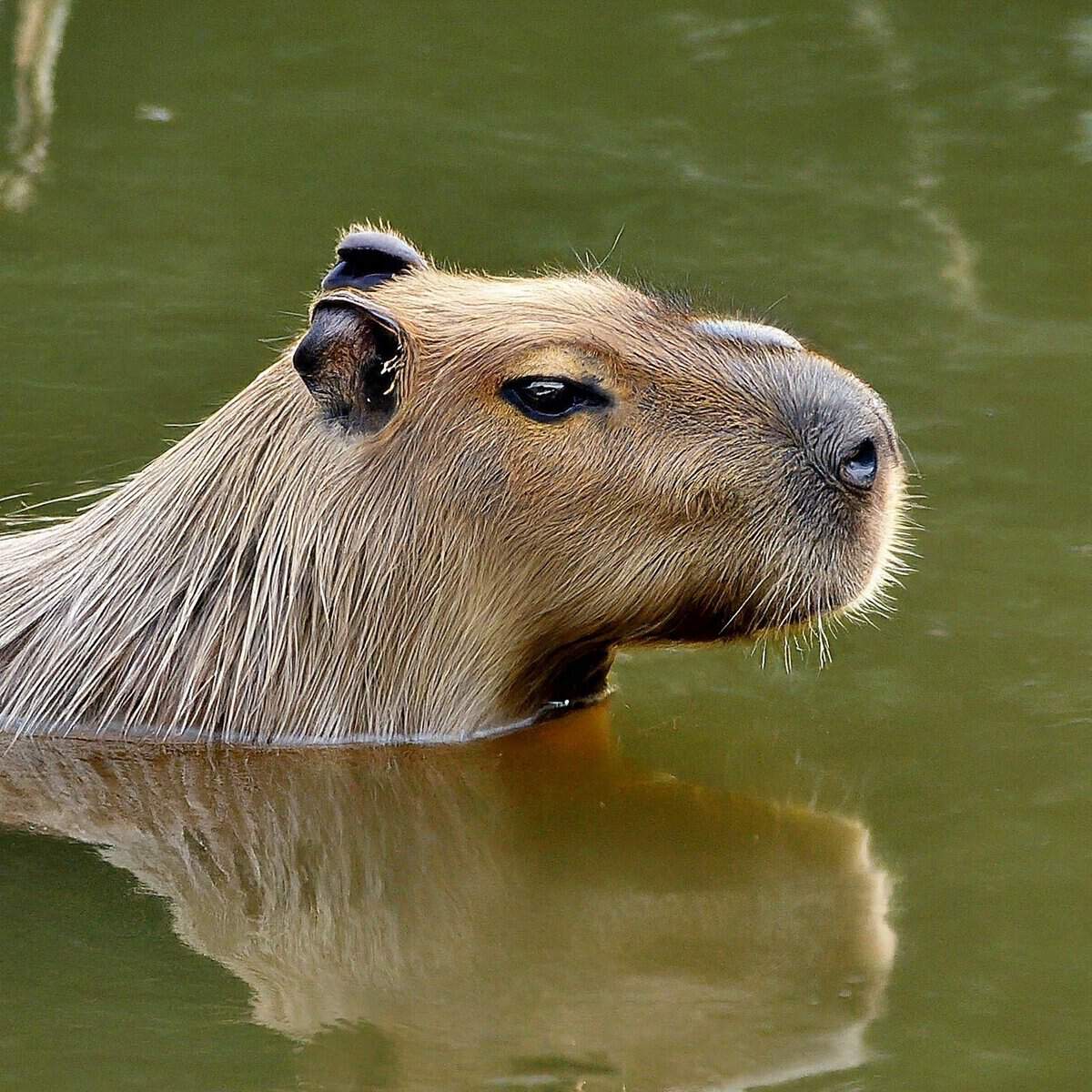
Additionally, evaporative cooling occurs from the skin’s surface, which is particularly important for maintaining comfort during elevated temperatures. Over time, various adaptations have emerged among species, influencing their habitat selection based on local seasonal changes and the thermal inertia of their environments.
Transitioning from the biological responses to habitat cues, such as temperature fluctuations, seasonal changes, evaporative cooling, heat tolerance, habitat selection, and thermal inertia, is crucial for survival in changing environments.
Understanding Behavioral Adaptations In Capybaras
The capybara is an intriguing species known for its unique adaptations that enhance survival in its environment. These adaptations include various physiological mechanisms that facilitate their ability to cope with different challenges.
One notable aspect is their social structures, which significantly enhance protection against predators.
By forming groups, capybaras utilize vocalizations and body language to effectively communicate, reinforcing their collective safety.
Their foraging behavior targets nutrient-rich grasses, demonstrating a refined strategy to maintain energy levels crucial for their active lifestyle. Such behaviors illustrate the relationship between their ecological roles and survival strategies, particularly in relation to water immersion for cooling.
This strategy allows them to regulate body surface area and minimize heat stress effectively. The subsequent factors influencing heat dissipation in these contexts include physiological mechanisms, stress response, social structures, foraging behavior, body surface area, and thermal regulation strategies.
Capybaras
- Capybaras live in social groups that enhance their protection against predators.
- They communicate through vocalizations and body language to ensure collective safety.
- Their foraging behavior focuses on nutrient-rich grasses to maintain energy levels.
- Water immersion is a key strategy for regulating body temperature and minimizing heat stress.
What Affects Heat Dissipation In Capybaras
Various factors play a significant role in how these rodents manage temperature regulation. Capybaras are equipped with skin and fur that facilitate effective heat loss, featuring a sparse coat that enhances evaporation.
Their low metabolic heat production is a noteworthy adaptation, contributing to a reduced generation of internal heat and aiding in maintaining a stable body temperature.
Engaging in diurnal activity, they shift their behaviors to align with cooler times of the day, often seeking shade during peak sunlight hours.
Access to water bodies in their environment is important for hydration and provides a method for cooling. The availability of resources can affect their ability to manage heat effectively.
The social structures within capybara groups enhance their capacity for thermal regulation through techniques such as huddling, which helps to conserve heat during cooler periods of the day, thereby aligning their behavior with circadian rhythms and diurnal activity while balancing resource availability and hydration against metabolic heat production and resource competition.
Exploring Social Structures And Temperature Control
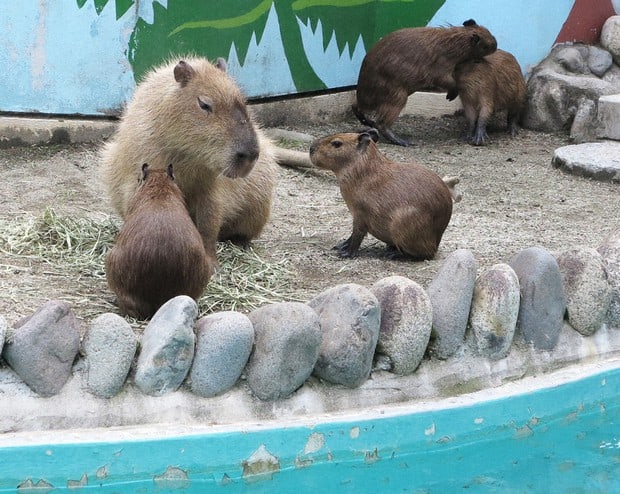
Social dynamics significantly shape the behavioral strategies of various animal species, including capybaras, particularly regarding their approach to energy conservation. In extreme temperature fluctuations, these creatures exhibit collective behaviors, such as clustering to enhance heat exchange among themselves.
This social interaction allows for effective body posture adjustments, enabling them to maintain optimal warmth retention or facilitate cooling when necessary.
Within these groups, dominant individuals often position themselves strategically in shaded areas or near water sources, further optimizing their surface temperature.
The synergy created through these interactions enhances overall temperature regulation methods, influencing the well-being of capybaras across different environmental conditions
Conclusion
Insights into the adaptations of capybaras reveal intriguing aspects of their interaction with their environment. These animals exhibit remarkable thermoregulatory behavior, enabling them to sustain a stable body temperature amidst varying climatic conditions.
Their social structures significantly contribute to heat retention, as living in groups enhances their ability to conserve warmth during cooler periods.
Capybaras leverage their considerable body size to manage exposure to heat more effectively, showcasing a sophisticated relationship between body size and ecological adaptation.
Such unique traits highlight the importance of habitat preservation, which is critical for ensuring their survival in the wild.