
Successfully bringing a capybara into a home with other pets necessitates thorough preparation to foster a peaceful coexistence. These semi-aquatic mammals thrive in social environments, making their adaptation to existing companions potentially beneficial.
Initially, establishing an appropriate enclosure setup is important, allowing the capybara a secure space to adjust to its surroundings.
During this period, monitoring behavior assessment is essential; indicators of discomfort may include excessive teeth chattering or a tendency to remain still.
Encouraging positive interactions through gradual introduction techniques helps build compatibility and encourages camaraderie among all pets involved. Super socialization can be achieved through camaraderie, ensuring compatibility by gradually introducing pets, conducting behavior assessments, and properly setting up their enclosure.
Assessing Behavior For Safe Interactions
Evaluating the behavior of animals is fundamental for fostering safe interactions among different species. Capybaras are inherently social creatures and often engage in habitat sharing with others, which can facilitate positive exchanges.
It is important to identify signs of discomfort, such as a raised head or rapid movements, as these can indicate stress and necessitate immediate action for stress reduction.
Observing body language provides valuable insights into a capybara’s feelings in new environments.
Gradual introductions of pets, accompanied by consistent supervision, can enhance the effectiveness of bonding techniques. Careful monitoring of these animal interactions will help discern whether the capybara is at ease or if modifications to the environment are required
What Is The Best Enclosure Setup?
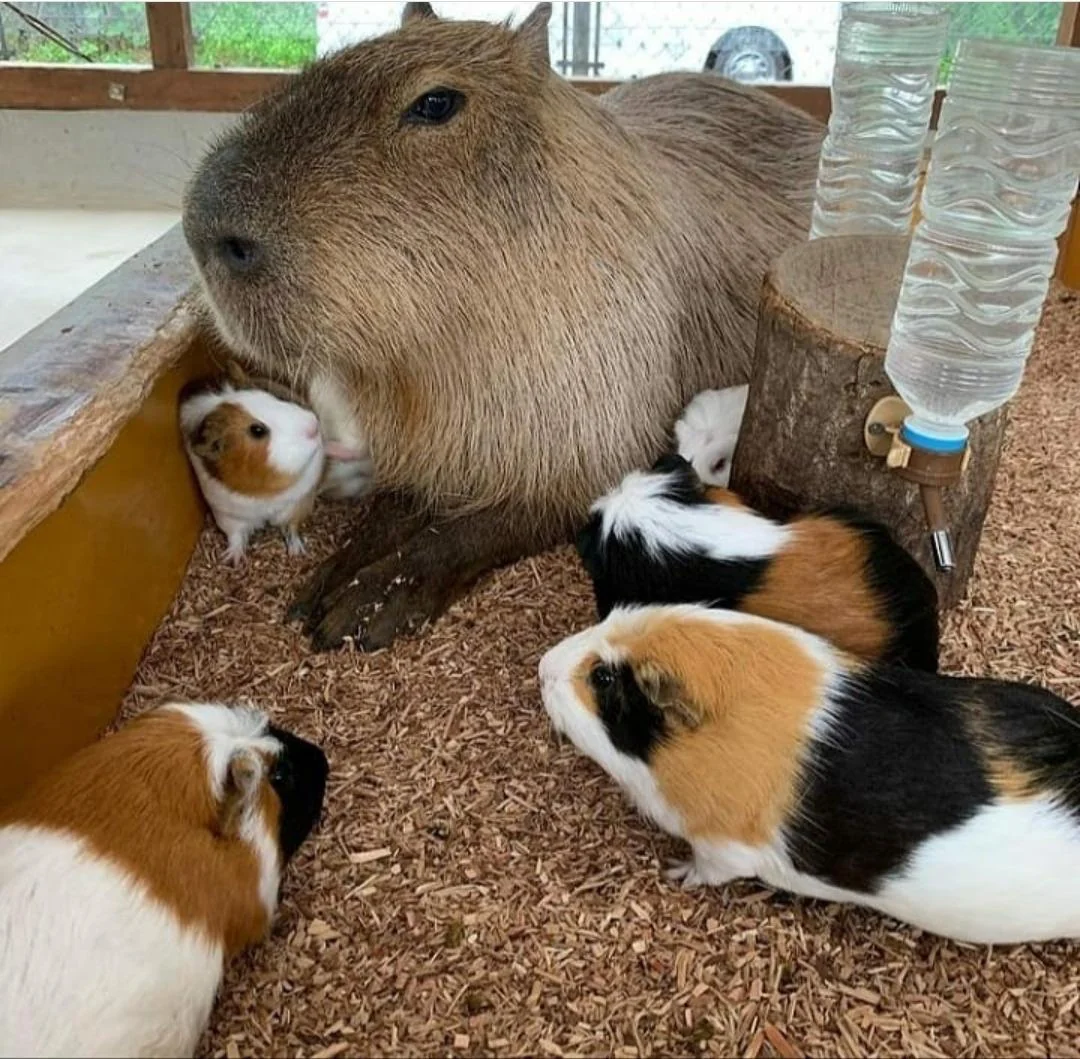
Designing an appropriate habitat for capybaras requires thoughtful consideration of their natural tendencies. A suitable area should encompass at least 100 square feet for one animal, ensuring a blend of open spaces and shaded retreats.
Environmental enrichment plays a significant role; incorporating pools, logs, and varied vegetation promotes natural behavior.
Unique to capybaras is their affinity for mixed species interactions, necessitating ample socialization opportunities.
To prevent escapes, the enclosure’s fencing must be robust, standing at least 4 feet tall, with buried barriers. Providing safe spaces within the habitat helps manage territoriality during the introductions of new companions.
This careful setup is essential for promoting a harmonious environment.
Gradual Introduction Techniques For Capybaras
Successfully integrating capybaras into new surroundings involves a series of thoughtful steps. Start by allowing the animals to become acquainted with one another through scent, which is an important phase for building trust and comfort.
This observation period helps to identify any early signs of anxiety management, allowing caretakers to respond appropriately.
Once familiar scents are established, introduce controlled visual interactions.
Employ barriers to prevent direct contact, creating a safe space where the capybaras can see and hear each other without immediate risk. This gradual acclimation promotes positive dynamics, as animals typically thrive when given the time to adjust.
After visual introductions, continue to monitor all reactions closely to ensure that interactions remain positive, preventing unnecessary distress. This method supports the development of friendships among the participants by promoting social dynamics, facilitating anxiety management, and encouraging observation and acclimation through various enrichment activities.
How To Monitor Animal Interactions?

Maintaining harmony among animals within a household requires attention to their interactions and behaviors. Each species exhibits distinct cues during socialization, which can guide owners in fostering a peaceful environment.
For instance, capybaras frequently engage in grooming rituals to strengthen their social bonds, while recognizing signs of aggression or stress in other pets can help prevent conflicts.
Establishing a controlled setting for initial interactions is beneficial for easing familiarization.
Designated safe zones allow each animal the opportunity to retreat when necessary, facilitating a gradual introduction process. Employing observational techniques, such as passive monitoring, enables owners to document interactions without disruption.
It is important to pay close attention to body language and the management of playtime to discern positive and negative encounters. Consistency in these cues, familiarization, precautions, multipet households, playtime management, and coexistence strategies leads to harmonious interactions among pets.
Animal Harmony in Households
- Capybaras engage in grooming rituals, which are essential for strengthening social bonds among pets.
- Recognizing signs of aggression or stress in pets can help prevent conflicts and promote a peaceful environment.
- Designated safe zones allow animals to retreat when necessary, facilitating a smoother introduction process.
- Observational techniques, such as passive monitoring, help owners document interactions without causing disruptions.
Positive Reinforcement For Bonding Time
Bonding activities can significantly strengthen relationships, whether among humans or between pets and their owners. Utilizing a support techniques such as positive reinforcement enhances connections by rewarding desirable behaviors, which can lead to increased trust and communication.
This psychological approach benefits not only pet interactions but also fosters more meaningful relationships between people.
Incorporating treats and verbal praise during bonding activities elevates engagement and encourages participants to exhibit positive behaviors.
Regular evaluation of interactions allows for monitoring of behavior changes, reinforcing progress over time. Games that involve teamwork serve as an effective strategy to enhance cooperation among pets, fostering a sense of community.
Recognizing signs of stress is an important aspect, ensuring that activities remain enjoyable and supportive for all involved. Transitioning into the next phase of pet interaction involves evaluation, a gentle approach, support techniques, effective communication, care guidelines, and veterinary advice.
Stress Reduction Strategies For Multi-Pet Households

Creating a peaceful atmosphere for a variety of pets involves recognizing and addressing their individual needs. Social skills are important for promoting positive interactions, enabling pets to learn acceptable behaviors in shared spaces.
Establishing a structured environment fosters mutual respect among pets, which can significantly reduce conflicts.
Designated areas for each pet offer safe retreats when they feel overstimulated, promoting integrated living.
Engaging pets with environment enrichment tools, such as puzzle toys, provides both mental and physical stimulation, minimizing competition and enhancing bonding time. Keeping an eye on behavioral shifts allows pet owners to catch stress indicators early, ensuring timely interventions and contributing to a harmonious household dynamic
| Aspect | Importance |
|---|---|
| Social Skills | Promote positive interactions and acceptable behaviors |
| Structured Environment | Fosters mutual respect and reduces conflicts |
| Designated Areas | Provides safe retreats for overstimulated pets |
| Environmental Enrichment | Enhances mental and physical stimulation, reducing competition |
Conclusion
Creating a successful environment for various pets demands attention to their individual needs and interactions. Capybaras, known for their sociable nature, benefit significantly from controlled meetings with other companion animals.
Gradually introducing these animals fosters a smoother transition and contributes to their welfare.
Close monitoring during initial encounters is crucial to detect any signs of stress or discomfort among the pets involved.
Building trustbuilding between them is a gradual process, but it can lead to harmonious living when managed well. Observing each animal’s behavior will aid pet owners in ensuring a peaceful cohabitation for all involved